
Green kitchens prioritize lowering Frylow environmental impact consistently
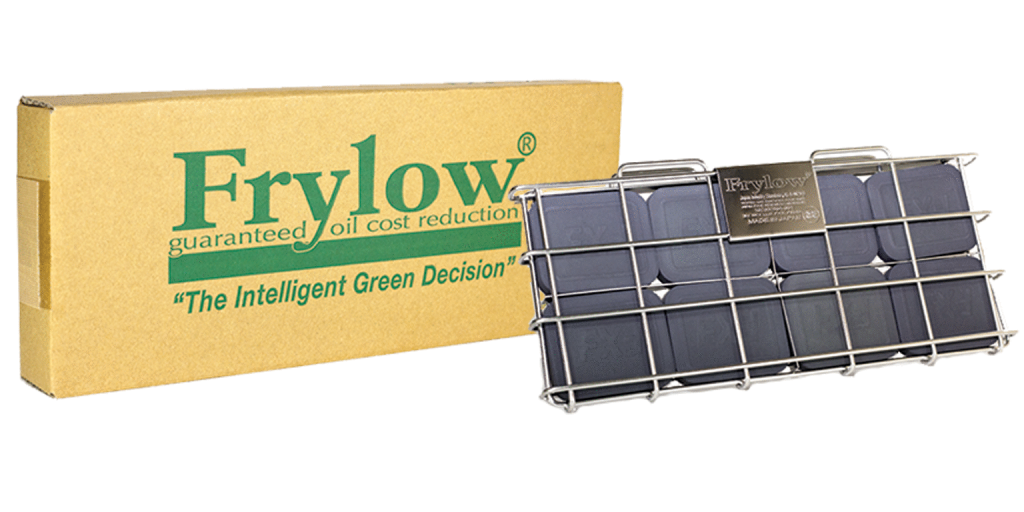
In recent years, the concept of green kitchens has gained momentum as more people become aware of the environmental impact of their culinary activities. A significant component of this movement is the prioritization of technologies and practices that consistently lower environmental footprints, such as Frylow. Frylow is an innovative technology designed to enhance frying efficiency while reducing energy consumption and waste — key factors in creating a sustainable kitchen environment.
The typical commercial kitchen generates substantial waste and consumes vast amounts of energy, primarily through cooking processes like frying. Traditional deep-frying methods require large quantities of oil and high energy usage to maintain optimal temperatures. Additionally, frequent oil changes contribute to excessive waste generation. However, with the introduction of Frylow technology, these issues can be mitigated effectively.
Frylow is an advanced ceramic device placed in fryers to optimize their performance by lowering the temperature required for frying without compromising food quality or safety. This reduction in temperature leads directly to decreased energy consumption as less power is needed to heat the oil. Consequently, this translates into significant cost savings for businesses over time while simultaneously reducing their carbon footprint.
Moreover, Frylow extends the lifespan of cooking oil by preventing degradation caused by high temperatures and continuous use. By maintaining oil quality for longer periods, it reduces both frequency and volume of oil disposal — critical steps toward minimizing environmental harm associated with waste management processes. This aspect not only curtails operational costs but also aligns with broader sustainability goals aimed at conserving resources.
The shift towards greener kitchens using technologies like Frylow reflects a growing recognition within the industry about its role in combating climate change and promoting ecological stewardship. Chefs and restaurateurs are increasingly adopting such innovations not just out of financial prudence but from a genuine commitment towards more responsible business practices.
Furthermore, consumer awareness around sustainability continues to rise; diners often prefer establishments that demonstrate environmental responsibility through transparent operations involving resource-saving measures like those provided by Frylow systems. As a result, businesses investing in green kitchen initiatives can enhance their brand reputation while attracting environmentally conscious clientele.
In conclusion, integrating solutions like Frylow into kitchen operations exemplifies how modern technology can facilitate sustainable practices without sacrificing efficiency or profitability. As part of broader efforts towards eco-friendly living spaces across various sectors globally — including residential settings where home cooks seek similar benefits — these advancements provide tangible pathways toward reduced ecological impacts from everyday activities such as cooking.
By continuing on this trajectory with consistent prioritization given towards lowering Frylow environmental impact via technological innovation alongside traditional conservation methods within kitchens worldwide ensures meaningful contributions are made collectively against pressing global challenges concerning our planet’s health today and tomorrow alike.